Source Waterproof Silicone Crossbody Purse for daily carry, travel, and events
Explore 30 listings of Waterproof Silicone Crossbody Purse options featuring soft or medium soft hardness and various customization levels. Buyers can compare styles, materials, and MOQs from Chinese manufacturers to find the right fit for their needs.
Key considerations
Products List


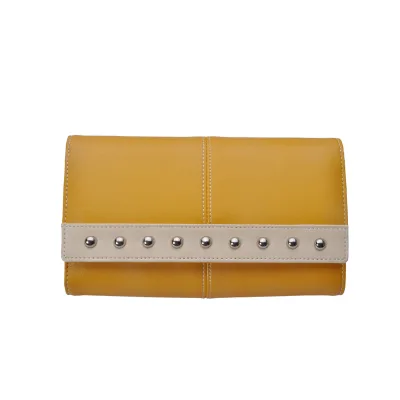
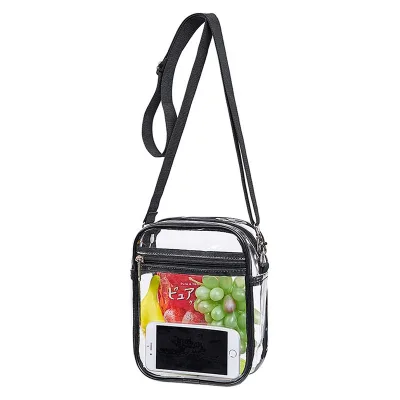
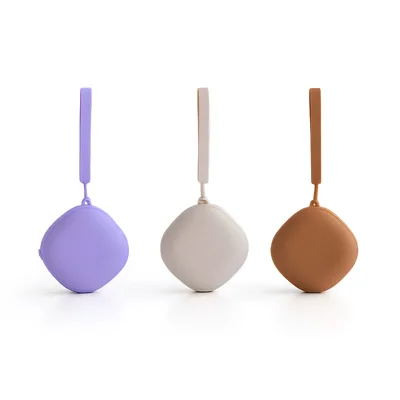

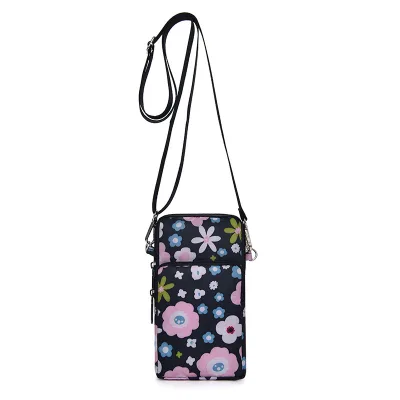


Comprehensive Sourcing Guide
Strategic Sourcing Guide for Waterproof Silicone Crossbody Purse
Understanding Product Attributes and Material Composition
When sourcing a Waterproof Silicone Crossbody Purse, the primary focus must be on the intrinsic material properties that define the product's utility and durability. The core material for this category is explicitly identified as silicone, a polymer known for its flexibility, resistance to environmental degradation, and inherent water-repellent characteristics. In the context of B2B procurement, buyers must distinguish between pure silicone formulations and those blended with other materials, as this distinction directly impacts the final hardness and tactile feel of the bag.
The observed market data indicates a range of hardness profiles, from "Soft" to "Medium Soft" and even "Partial Hard." This variance is critical for the end-user experience. A "Soft" silicone handbag offers a pliable, squeezable texture that is ideal for casual, everyday carry, while a "Partial Hard" variant may provide more structural integrity for users who require the bag to hold its shape under load. The sourcing strategy should align the hardness specification with the intended use case. For instance, a purse designed for active outdoor use might benefit from a slightly firmer silicone to prevent snagging, whereas a fashion accessory might prioritize a softer, more fluid drape.
Furthermore, the aesthetic customization options are extensive. The product attributes highlight "Fashion Elements" such as "Crocodile Grain" and "Candy Color," alongside "Stitching Bag" designs. These elements suggest that the silicone is often textured or treated to mimic leather or to offer vibrant visual appeal. The "Simplicity" style and "Korean" style trends indicate a market preference for minimalist yet trendy designs. Buyers should verify if the "Candy Color" options are solid dyes or if they involve surface treatments that might affect the waterproof integrity. The "Inside Material" is also a variable, with some listings specifying "Polyester" or "Fabric" linings. This internal lining serves to protect contents from direct contact with the silicone and can add a layer of friction to prevent small items like keys or coins from sliding out.
Technical Specifications and Functional Performance
The functional performance of a Waterproof Silicone Crossbody Purse is defined by its ability to repel moisture while maintaining structural integrity. The attribute "Waterproof" is a key differentiator in this category, yet the data also reveals the existence of products labeled "Not Waterproof." This discrepancy underscores the necessity for rigorous specification verification. A truly waterproof silicone bag should prevent water ingress through the material itself and, crucially, through the closure mechanisms.
Size and capacity are often customized, as indicated by the "Customized" specification for size. This flexibility allows buyers to tailor the product to specific inventory needs, ranging from mini coin purses to larger handbags. The "Shape" of the bag, such as "Cube Type," influences the internal volume and the arrangement of compartments. For a crossbody configuration, the shape must accommodate a strap attachment point that does not compromise the waterproof seal.
The "Usage" attributes provide insight into the intended function. Listings mention "Money, Coin, Key" and "Money, Card, Coin," suggesting these bags are often designed as multi-purpose organizers. The "Mini Silicone Coin Purse" models indicate a specific sub-category focused on small, secure storage. When evaluating technical specifications, buyers should confirm the zipper or closure type. While the material is waterproof, a standard zipper without a waterproof seal or a simple flap closure may not meet the "Waterproof" claim under heavy rain or submersion. The "Hardness" and "Shape" must work in tandem to ensure that the bag does not deform excessively when wet, which could expose the contents.
Compliance, Certification, and Safety Standards
In the B2B procurement of silicone products, compliance with safety and quality standards is non-negotiable, particularly when the product is intended for personal use. The provided data lists "CE" as a specific product standard for certain models. The CE marking indicates conformity with health, safety, and environmental protection standards for products sold within the European Economic Area. Buyers must verify that the "CE" certification is valid for the specific silicone formulation and that it covers the finished product, not just the raw material.
Beyond the CE mark, the sourcing guide must address the general safety of silicone materials. Silicone is generally considered non-toxic and hypoallergenic, but the presence of additives for color or texture (such as "Crystal & Rhinestone" or "Sequin" features) introduces potential compliance complexities. Buyers should request test reports to ensure that any decorative elements do not contain heavy metals or other restricted substances. The "Quality" attribute is listed as "Best," but this is a subjective claim. Instead, procurement teams should rely on objective test data regarding chemical composition, specifically looking for compliance with regulations like REACH in Europe or CPSIA in the United States.
The "Standard" attribute is also noted as "Customized," which implies that suppliers may offer bespoke compliance solutions. However, this requires careful management. Buyers should not assume that a customized standard automatically meets international safety requirements. It is essential to define the target market's regulatory requirements upfront and ensure the supplier's "Customized" standard aligns with these mandates. The "Brand Name" being listed as "OEM" suggests that the supplier is capable of private labeling, but this does not inherently guarantee compliance. The compliance verification process must be independent of the branding arrangement.
Cost Drivers and Pricing Dynamics
The pricing structure for waterproof silicone crossbody purses is influenced by several variables, including material quality, customization complexity, and order volume. The observed price range in the market spans from $0.19 to $10.20 USD. This wide disparity indicates that the final cost is highly dependent on the specific configuration of the product. The lower end of the range likely corresponds to basic, non-customized models with simple designs and standard colors. In contrast, the higher end of the range likely reflects products with complex "Fashion Elements," such as "Crocodile Grain" textures, "Crystal & Rhinestone" embellishments, or specialized "Korean" styling.
Order volume is a significant cost driver. The Minimum Order Quantity (MOQ) ranges from 10 to 1000 pieces, with specific listings showing MOQs of 500 and 1000 pieces. Buyers purchasing at the lower end of the MOQ spectrum may face higher unit costs due to the setup costs associated with smaller production runs. Conversely, larger orders typically benefit from economies of scale. The "Customization" attribute is available, but customization invariably adds to the cost. Features like "Customized" size, "Customized" packing, or specific "OEM" branding will increase the unit price compared to stock items.
The "Product Packing" is another factor. Some listings specify "Inner: 1 Piece/Carton," while others use "OPP Bag." The choice of packaging affects the logistics cost and the perceived value of the product. Premium packaging may justify a higher price point, especially for retail-focused buyers. Additionally, the "Technics" of production, such as "Handmade" versus machine-assisted, can influence the cost. Handmade elements often command a premium due to the labor intensity involved, particularly for intricate designs like "Stitching Bag" patterns.
Supplier Evaluation and Operational Capabilities
Selecting the right supplier requires a thorough evaluation of their operational capabilities and alignment with the buyer's requirements. The data indicates that the "prod_origin" is China, a major manufacturing hub for silicone goods. Buyers should verify the supplier's production capacity to ensure they can meet demand, especially given the varying MOQs. The "Small Orders: Accepted" attribute suggests flexibility, but buyers must assess whether the supplier can scale up efficiently if the order volume increases.
The "OEM: Yes" and "Customization: Available" attributes indicate that the supplier offers private labeling and design modification services. This is a critical capability for brands looking to differentiate their products. However, the "Customized" nature of the product standard and size requires clear communication. Buyers should request samples to verify that the supplier can accurately replicate the desired specifications, particularly regarding the "Hardness" and "Waterproof" claims.
Supplier reliability is also measured by their ability to handle "Various Are Accpeted" usage scenarios. This implies versatility in production, but buyers should ensure that the supplier has experience with the specific type of crossbody purse they intend to source. The "Quality: Best" claim should be validated through reference checks or by reviewing the supplier's track record with similar products. Additionally, the "Brand Name: OEM" status suggests the supplier is accustomed to working with multiple clients, but buyers should ensure that their intellectual property and design specifications are protected.
Quality Control and Long-Term Procurement Strategy
Implementing a robust quality control (QC) strategy is essential for maintaining product integrity. Given the "Waterproof" claim, buyers should establish clear acceptance criteria for water resistance testing. This may include immersion tests or spray tests to verify that the bag prevents water ingress under specified conditions. The "Hardness" and "Shape" should also be checked against the approved sample to ensure consistency across batches.
For long-term procurement, buyers should consider the lifecycle of the product. Silicone is durable, but the "Fashion Element" and "Style" trends can change rapidly. The "Season: All" and "Season: Spring/Autumn" attributes suggest that these products have broad appeal, but buyers should plan for inventory turnover based on seasonal demand. The "Age: New" attribute indicates that the product is current, but buyers should monitor for obsolescence in design trends.
The "prod_packing" and "prod_model" details are crucial for logistics and inventory management. Consistent packaging standards, such as "OPP Bag" or "Inner: 1 Piece/Carton," simplify the receiving process and reduce damage during transit. Buyers should also consider the "Lead Time" and "MOQ" flexibility when planning their supply chain. A supplier that accepts "Small Orders" may be more suitable for testing new designs, while a supplier with a higher MOQ may be better for established, high-volume products.
Comparative Analysis of Product Variants
To facilitate decision-making, the following table compares key attributes of the observed product variants. This comparison highlights the diversity in the market and helps buyers identify the most suitable options for their specific needs.
| Attribute | Variant A (Silicone Handbag) | Variant B (Mini Silicone Coin Purse) | Variant C (Silicone Handbag) |
|---|---|---|---|
| Material | Silicone | Silicone | Silicone |
| Hardness | Soft | Partial Hard | Medium Soft |
| Waterproof | Waterproof | Waterproof | Not Waterproof |
| Style | Simplicity | Various | Korean |
| Fashion Element | Crocodile Grain | Crystal & Rhinestone | Stitching Bag |
| Color | Candy Color | Pink | Black |
| MOQ | 1000 PCS | 500 PCS | 1000 PCS |
| Inside Material | Fabric | Polyester | Fabric |
| Usage | Money, Card, Coin | Money, Coin, Key | Money, Card, Coin |
| Standard | Customized | Customized | CE |
This table illustrates that while the core material remains consistent, the functional and aesthetic differences are significant. Variant A offers a soft, waterproof option with a premium texture, suitable for general fashion use. Variant B is a smaller, partially hard coin purse with decorative elements, ideal for specific utility needs. Variant C, despite being a handbag, lacks waterproofing, which may limit its suitability for outdoor or rainy conditions. Buyers must carefully match these attributes to their target market requirements to avoid procurement errors.
Final Procurement Considerations
In conclusion, sourcing a Waterproof Silicone Crossbody Purse requires a balanced approach that considers material properties, technical specifications, compliance, and cost dynamics. The market offers a wide range of options, from basic coin purses to stylish handbags with complex textures and embellishments. Buyers should prioritize verifying the "Waterproof" claim through testing and ensure that the "Hardness" and "Style" align with their brand identity.
The flexibility of the supply chain, indicated by the range of MOQs and customization options, allows for agile procurement strategies. However, this flexibility comes with the responsibility of rigorous quality control and supplier evaluation. By focusing on objective data and adhering to safety standards, buyers can build a reliable supply chain for waterproof silicone crossbody purses that meets both functional and aesthetic demands. The long-term success of this procurement strategy depends on maintaining clear communication with suppliers and continuously monitoring market trends to ensure product relevance.
FAQs
Can I get a Waterproof Silicone Crossbody Purse with custom size?
Yes, you can get a Waterproof Silicone Crossbody Purse with custom size. The product specifications allow for customized dimensions to meet specific inventory needs, ensuring the bag fits your intended use case perfectly.
What is the minimum order quantity for these silicone bags?
The minimum order quantity ranges from 10 to 1000 pieces depending on the specific model. Some listings require 500 or 1000 pieces, while others accept smaller orders, allowing flexibility for different procurement volumes.
Which fashion elements are available for silicone handbag designs?
Available fashion elements include crocodile grain, candy color, and stitching bag styles. These options allow buyers to select minimalist simplicity or trendy Korean styles with vibrant visual appeal for their crossbody purse collections.
How is the hardness of the silicone material defined?
The hardness varies from soft to medium soft and partial hard profiles. This variance allows buyers to choose a pliable texture for casual carry or a firmer structure for bags that need to hold their shape under load.
Can the product be customized with specific branding or OEM?
Yes, OEM services and customization are available for these silicone purses. Suppliers support private labeling and design modifications, including customized packing and specific product standards to align with your brand requirements.
What certifications are available for the silicone handbag models?
Some models carry CE certification indicating conformity with European safety standards. Buyers should verify that this certification covers the finished product and any decorative elements to ensure compliance with target market regulations.
What is the origin location for these silicone purse manufacturers?
The product origin is China, a major manufacturing hub for silicone goods. This location supports a wide range of production capacities and customization options, though buyers should verify specific supplier capabilities for their needs.